

Weight Gain, Weight Gain, Weight Gain … how many of us live behind the prison of these words tangled up in our minds? Constantly nagging us wherever we go- the first thing that hits you as you get dressed up, or while you eat; a haunting clouded thought as we wake up in the morning.
This negative self talk that we constantly enforce upon ourselves, constantly telling us that we are NOT good enough, fit enough, disciplined enough, and thin enough. A constant comparison to other people in society –all of which cause emotional disturbances, stress, anxiety, depression and an overload of the hormone –cortisol.
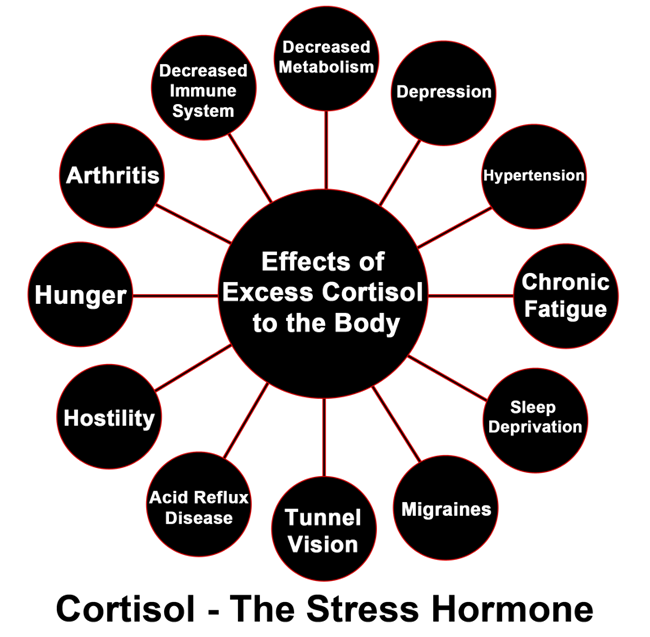
This hormone is the one that is in charge of causing our metabolism to SLOW down, increase our cravings AND increases our bodies to store Fat. Our body actually holds onto body fat, in the fear of starvation and losing weight is very hard when cortisol production is very high.
It’s as it hard enough to maintain a healthy weight by eating healthy food (in adequate or proportionate amounts) and also getting enough exercise! Despite your diet and exercise there are several other factors that play a key role in gaining weight. These include:
- Sleep Problems: Although this may surprise you, it has been found through various studies how chronic insomnia can have a major effect on weight gain. In fact, it can make a person feel extremely cranky and groggy as it disrupts the endocannabinoid system (ECS), the system that regulates signals related to appetite and the brain’s reward system. When you get tired, you are more likely to eat more (despite not even realising it). In addition to that, it will lead to daytime fatigue where you become lethargic and burn less calories.
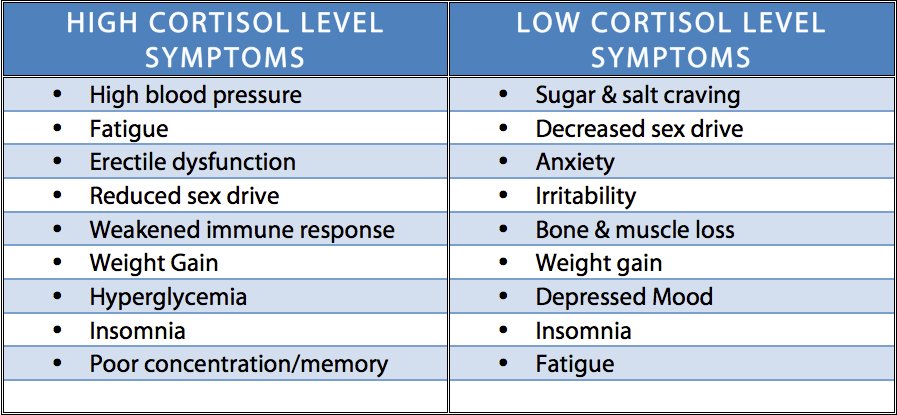
- Stress: All of us have at some time or the other experienced some form of stress in our lives where we try to drown our sorrows with some form of sweet – e.g. browning, donuts, cookies, etc. after a rough day. While this is one way of gaining weight there is also another way, even if you do not eat anything! That is because of the hormones that stress releases into the body – which makes can predispose you to hold on to weight. As if this is not enough, chronically elevated levels of cortisol increase blood sugar (putting you in risk of catching type 2 diabetes) and at a risk of developing more belly fat.
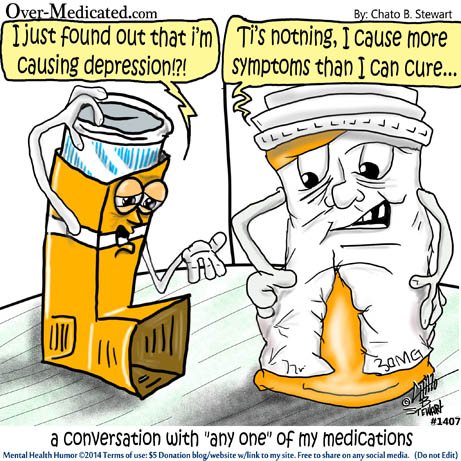
- Medications: Sometimes, the answer to inexplicable weight gain is related to meds. Right behind your medicine cabinet doors, are some meds that cause weight gain either by increasing your appetite, cause you to hold onto extra fluids or slowing down your metabolism.
Some of these include:
- Certain tricyclic antidepressants- such as amitriptyline,
- imipramine (Tofranil) and doxepin that lead to weight gain
- Paroxetine (Paxil, Pexeva), a selective serotonin re-uptake inhibitor (SSRI)
- monoamine oxidase inhibitors (MAOIs), such as phenelzine (Nardil) and Mirtazapine (Remeron), which is an atypical antidepressant.
Some of the main culprits include antidepressants (such as amitriptyline, paroxetine, and sertraline), anti-psychotic drugs (used to treat disorders like schizophrenia and bipolar disorder), medicines for mood stabalisers, allergy pills, steroids (such as prednisone or birth control pills), medicines that treat mental illnesses, hypothyroidism your thyroid (the butterfly-shaped gland in the front of your neck) is not making enough thyroid hormone it can lead to weight gain. You will most likely feel weak, tired and cold.
Contrary to this, even when you do not get enough thyroid hormone it leads to a slower metabolism which leads to weight gain. No one knows for suer why certain antidepressants are more likely to cause weight gain. While some trigger food cravings –particularly carbohydrates, others affect the body’s metabolism.
At other times, when antidepressants are effective people may indulge in food cravings –regaining their appetite which ultimately leads to weight gain. In this obesity epidemic that is constantly going on, unwanted weight gain because of antidepressants is rarely mentioned. Losing weight as a result of taking antidepressants is not always easy and in some cases it may be as simple as switching the medication.
A thyroid which functions at the lower end of the normal range may be the reason behind a drastic weight gain. It is important to treat the hypothyroidism with appropriate medicines so as to reverse weight gain.
diabetic meds (such as insulin, thiazolidinediones (Glitazones) , and sulfonylureas), medications for heart disease and antihistamines and Blood pressure-reducing drugs like beta-blockers. Certain other medications that lead to weigh gain include medications for epilepsy such as valproate and carbamazepine.
According to WebMD, as much as 15 percent of weight issues are related to medications. Medicine related weight gain is not something uncommon. If your medicine causes shortness of breath then , you may not even want to exercise.Of course this will lead to weight gain.
While its true that MANY medicines can cause weight gain, it is important to keep in mind that NOT EVERY medicine will cause weight gain. There are certain types of medicines that can actually help a person lose weight.
For instance Zonisamide an anti-epileptic medication has the common side effect of significant weight loss, the diabetes drug -metformin might make you lose weight instead of gain it; Topiramate (a drug used for seizures and migraines) can help a person lose weight rather than gain it.
The weight gain due to medications can pose serious health problems to a person, especially if they are already overweight. This weight gain depends on a number of factors such as age, the medicine and any other medical problem a person may have.
While some people may fain a few pounds in a year, there are others who will gain 10-20 pounds over the course of a few months. However, in chronic cases where people may have to take the medication for months or even years; it may lead to a significant weight gain.
Why do people gain weight via certain medicines?
It has been proven that certain medications stimulate a person’s appetite, which causes a person to eat more – thereby leading to weight gain.Other medications can affect the body’s metabolism causing the body to even burn calories at a slower rate; leading to an increase in weight. Other medicines affect the body’s ability to absorb sugar, how your body stores sugar and other nutrients.

Of course, while meds can cause a lot of weight gain – being overweight due to this reason or any other reason itself has many health problem or can be the reason to lead to some in the future.

Some of these health problems include:
- Diabetes or impaired glucose intolerance
- Psychological problems
- Stroke
- Sleep Apnea
- Liver Disease
- Certain Cancers
- High Blood Pressure
- Heart Disease
- Arthritis
- Certain Lung Diseases
- Infertility
While there are times when you may not always gain weight despite having a particular medicine having weight gain as a side effect. What you really need to pay attention to is a healthy diet (good eating habits) and exercise.
- Underlying Health Problems: Although many of us tend to overlook this factor and focus only on our diet and exercise, one of the main culprits behind weight gain is held with that tiny butter-fly shaped gland on your neck- the thyroid!
This tiny gland is responsible for controlling many of the body’s metabolic processes, such as body temperature, heart rate and weight. So any imbalance with this gland would naturally affect your weight!
So, if your body has low levels of thyroid hormones – a condition known as hypothyroidism occurs. In contrast, if the body produces too much of this hormone then a condition known as hyperthyroidism will occur.
These problems are extremely severe if overlooked as they are concerned with the bodily functions. Other health problems may include Cushing’s syndrome (a rare adrenal gland disorder) and polycystic ovary syndrome (PCOS). Its very important to visit a doctor and really investigate what is happening with your body if weight gain persists.
- Hormone Fluctuations: Hormonal fluctuations are extremely common and spikes in any of the hormones can lead to fluctuations in weight. For instance, a spike in estrogen will lead to the body retaining fluid (for females this will occur right from the beginning of your period till the end).
This will lead to an increase in weight gain which is just temporary, so the weight just may return back to normal within a few days. However, there are other times when hormones go haywire for women on a continuous basis. Low estrogen levels can cause fluctuations in blood sugar which will ultimately lead to weight gain. Its very important to pay attention to your hormone levels at all times.
- Ageing: Yes, its true – growing up or rather ‘ageing’ can be a possible cause for gaining weight. While this is not an excuse behind weight gain, the body tends to require less energy as we grow (fewer calories) and the metabolic rate slows down.
Ageing also leads to muscle loss. So while you may not even notice any change in your diet or exercise you could also be putting on weight due to this factor. So, in order to fight this struggle against the metabolic slow-down it is very important to incorporate a healthy –nutrient rich diet (rather than empty calories) and a lot more exercise during the day.
However, everything can’t just be blamed on medicines or any of the above factors.Examine your life if you aren’t losing weight!
Stay tuned for the next blog – Tips to fight medication-induced weight gain!
