


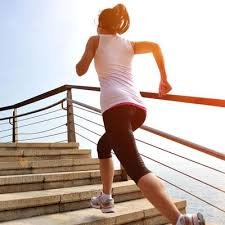

Working out to stay slim (or even healthy) is fantastic, but did you know that there are so many other things you didn’t know about your posterior muscle group, that it was capable of doing!
These muscles help your body stay upright and also help you power through workouts and of course squeeze into a pair of slim/skinny jeans. Your backside consists of three major muscles: the glute maximum, glute medius, and glute minimus.
These muscles collectively are in charge of extending the hips (pulling the thighs behind you) abducting the hips ( having your lateral movement to the side) and internal and external rotation of the hip.
Most of our jobs, even freelance work involve long amounts of time spent on a chair. This is the time when our glutes get switched off and stop firing as effectively, efficiently and strongly as they otherwise would. It’s very important to know about these muscles.
- Your Glutes work as a Team: There are three players involved in your glutes muscles and these include: the gluteus maximus, gluteus medius, and the gluteus minimus. The gluteus Maximus (M.V.P.) is the muscle in charge of giving your butt its shape and works whenever you raise your thigh muscle to the side, rotate your leg or even thrust your hips forward. The medius and the gluteal minimus work together to help the gluteus maximus to raise your leg to either side. Besides this, the smaller glute muscles also help to rotate your thigh outwards (when your leg is straight) and inward (when your hips are bent.).
- You are Always using your Glutes: Your glutes are known as the workhorses of the body. That means they are constantly working in your body. Even if you are standing, your glutes have to support you to help give you some balance. Naturally, every single activity that you do impacts the glutes, right from walking to running.
- Working out your Glutes means Working out the Largest Muscle Group: When you do a lower body workout, focusing on your glutes you are definitely going to burn a high amount of calories. The reason being that the gluteal muscles are part of the group of three muscles working together (that make up the buttocks) which are also apart of the largest muscle group in the body.
- Weak Glutes can ultimately Lead to Injuries: If your glutes are weak, that your other muscles may also get negatively affected. If, for whatever reason you do have weak glutes, unnecessary pressure will be put on other muscles of the body such as the hamstring. In turn this can injure them or even add pressure to other muscles, joints and ligaments that your hamstring comes in contact with – such as your calves or knees.
- Glutes Need to be Worked on a Regular Basis: The muscles involved in your posterior are a part of the largest muscle group. They need to be worked on at least two to three times a week.
- Your Glutes Can Grow in Size: Your glutes consist of muscles that have the potential to grow in size. The more you workout these muscles, the better they will look. Some of the key glutes-focused exercises that you can do include glute bridge, squats, single leg squats and split squats. You can then progressively add weights and perform the same exercise.
- Your Glutes Do NOT Like MACHINES: As far as other body parts are concerned, it is always good to involve weights. However, when it comes to glutes its best to avoid the usage of weights and to stick to functional bodyweight exercises instead. Some of the important muscles that help to strengthen the glutes are squats and various forms of glute bridge as mentioned above. While functional exercises add more layer to the muscle of the glutes, weight machines tend to isolate the area.
- You can Even Work on your Glutes from the Sides: Although the standard lunge is good enough to give you a good workout for your posterior, it is also important to work sideways on the glutes to get that functioning at their best. Side lunges or skaters strengthen muscles in the outer hips and your stronger hips can help you stay away from unwanted knee injuries. In addition to this, the side movement also engages the lower body, reaping the benefits of lower-body workouts.